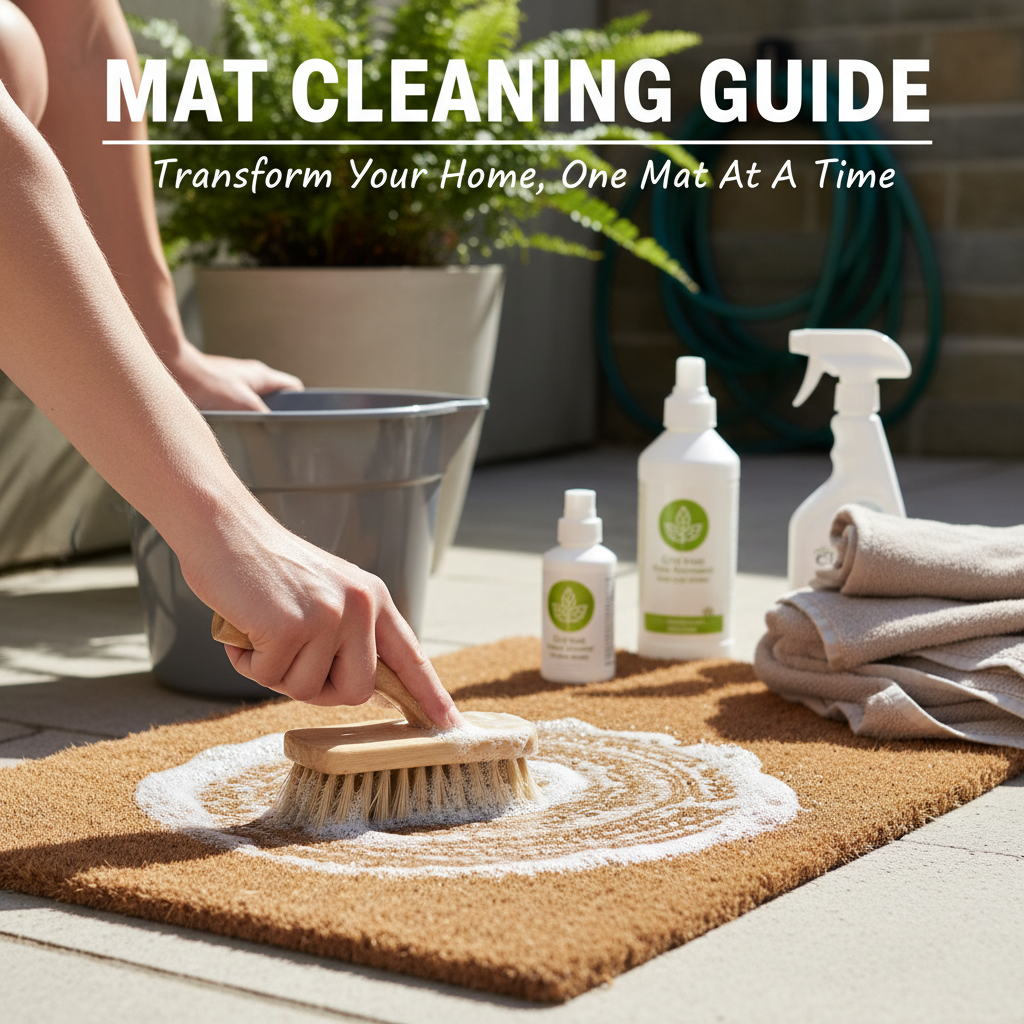
Floor mats are often the unsung heroes of any space, quietly working to protect floors, prevent slips, and capture dirt and moisture. From the bustling entrance of a commercial building to the comforting rug in your home, mats play a crucial role. However, their effectiveness and lifespan largely depend on proper cleaning and maintenance. Neglecting your mats can lead to unsightly appearances, reduced functionality, and even health hazards. This comprehensive guide will equip you with the knowledge to keep your mats in pristine condition, ensuring they continue to serve their purpose effectively.
Why Mat Maintenance Matters
Regular mat cleaning and maintenance go beyond just aesthetics. It’s about preserving your investment, enhancing safety, and promoting a healthier environment.
- Extends Mat Lifespan: Dirt, grit, and harsh chemicals can degrade mat materials over time. Consistent cleaning removes these abrasive elements, significantly extending the life of your mats. This means fewer replacements and cost savings in the long run.
- Maintains Effectiveness: A clean mat is an effective mat. Entrance mats, for example, lose their ability to trap dirt and moisture when saturated with debris. Regular cleaning restores their functionality, keeping your floors cleaner and safer.
- Enhances Safety: Dirt and moisture trapped in mats can still pose slip hazards, especially if the mat itself becomes saturated or shifts. Clean mats adhere better to the floor and effectively absorb spills, reducing the risk of slips and falls.
- Improves Air Quality: Mats can accumulate dust, allergens, and other airborne particles. Regular cleaning helps remove these, contributing to better indoor air quality, which is particularly important in commercial and industrial settings.
- Boosts Appearance: A clean, well-maintained mat creates a positive first impression for visitors and customers, reflecting positively on your business or home.
General Mat Cleaning Principles
While specific cleaning methods vary by mat type, some universal principles apply to almost all mats:
- Regular Vacuuming/Shaking: For most fabric-based mats (like entrance mats), daily or frequent vacuuming is essential to remove loose dirt and debris. Small mats can be taken outside and shaken vigorously.
- Spot Cleaning: Address spills and stains immediately. Blot, don’t rub, with a clean cloth and a mild detergent solution. Test any cleaning product on an inconspicuous area first.
- Deep Cleaning: Depending on traffic and mat type, periodic deep cleaning is necessary. This might involve hosing down, steam cleaning, or professional cleaning services.
- Proper Drying: Always ensure mats are completely dry before placing them back in service. Damp mats can lead to mold, mildew, and unpleasant odors, as well as potential slip hazards.
Specific Mat Type Cleaning Guides
1. Commercial Entrance Mats & Logo Mats
These mats, often found at the entryways of businesses, are designed to trap dirt, moisture, and debris before it enters the building. They are typically made from durable carpet-like materials or rubber.
- Daily/Weekly: Vacuum thoroughly using a commercial-grade vacuum cleaner. For heavier dirt, use a stiff brush to dislodge embedded particles before vacuuming.
- Monthly/Quarterly (Heavy Traffic): For deep cleaning, use a carpet extractor or steam cleaner. Alternatively, mats can be hosed down with a pressure washer (on a low setting) and mild detergent. Hang to dry completely in a well-ventilated area.
- Logo Mats: Treat logo mats and premier logo mats with extra care to preserve the integrity of the design. Avoid harsh scrubbing on the printed areas. Gentle extraction cleaning is usually best.
Source: Cintas: Mat Maintenance Tips
2. Industrial & Anti-Fatigue Mats
Often found in workshops, factories, and commercial kitchens, these mats are typically made of rubber, PVC, or vinyl. They are designed for durability and comfort.
- Daily: Sweep or mop to remove loose debris, grease, and spills. For wet areas, a squeegee can be effective.
- Weekly: Wash with a mild detergent and water solution. For stubborn grease or grime, use a degreasing agent safe for the mat material. Rinse thoroughly with clean water.
- Monthly: For textured surfaces, a stiff brush might be needed to clean grooves. Ensure all cleaning agents are fully rinsed to prevent slippery residue.
- Specialist Mats: For specific specialist mats or specialist logo mats with unique properties (e.g., chemical resistance), always consult the manufacturer’s guidelines for cleaning agents.
Source: Grainger: Floor Mat Cleaning and Maintenance
3. Residential & Home Mats
These include kitchen mats, bath mats, welcome mats, and area rugs. Materials vary widely from cotton and synthetic fibers to rubber and natural fibers like coir.
- Kitchen/Bath Mats: Many fabric kitchen and bath mats are machine washable. Check the care label for specific instructions. Use cold water and a gentle cycle, then air dry or tumble dry on low.
- Outdoor Welcome Mats (Coir/Rubber): Shake vigorously to remove loose dirt. For coir mats, a stiff brush can remove trapped mud. Rubber mats can be hosed down and scrubbed with a brush and mild soap.
- Area Rugs: Regular vacuuming is crucial. For spills, blot immediately. Professional cleaning is recommended annually or bi-annually for deeper cleaning and stain removal.
Common Mat Cleaning Mistakes to Avoid
Even with good intentions, common errors can damage mats and compromise their effectiveness:
- Using Harsh Chemicals: Strong cleaning agents, especially those with bleach or ammonia, can degrade mat materials, fade colors, and leave residues that attract dirt or make surfaces slippery.
- Over-Wetting: Excessive water during cleaning, especially for carpeted mats, can lead to prolonged drying times, mildew growth, and damage to the mat’s backing.
- Improper Drying: Placing a damp mat back on the floor can damage the flooring underneath, encourage mold, and create slip hazards.
- Ignoring Manufacturer Instructions: Always refer to the mat manufacturer’s cleaning guidelines. These are tailored to the specific materials and construction of your mat.
- Rubbing Stains: Rubbing a stain can spread it and push the substance deeper into the fibers. Always blot stains gently.
The Benefits of a Consistent Mat Maintenance Schedule
Implementing a regular mat maintenance schedule provides significant advantages:
- Cost Savings: Extends mat life, reducing the frequency of replacements and the labor involved in cleaning adjacent flooring.
- Enhanced Safety: A clean mat reduces the risk of slips, trips, and falls by effectively trapping moisture and dirt. According to the National Safety Council, slips, trips, and falls are a leading cause of workplace injuries.
- Improved Hygiene: Prevents the buildup of bacteria, mold, and allergens, contributing to a healthier environment.
- Professional Appearance: Maintains a neat and professional look for your premises, reinforcing your brand image.
When to Consider Mat Replacement
Even with meticulous cleaning, mats have a finite lifespan. Consider replacement when:
- Edges are curling or fraying: This creates trip hazards.
- The mat no longer lies flat: Indicates wear and potential for tripping.
- Colors are faded or stains are permanent: Affects aesthetics and professionalism.
- The anti-slip backing is worn or cracked: Compromises safety.
- The mat no longer effectively traps dirt or absorbs moisture: Its primary function is diminished.
High-quality Ideal Mats are designed for durability, but even the best mats eventually need replacing to maintain safety and performance.
Conclusion
Investing in quality floor mats is a smart decision for any business or home. However, the true value of this investment is realized through consistent and appropriate cleaning and maintenance. By following these guides, you can ensure your mats remain effective, safe, and visually appealing for years to come, protecting your floors and enhancing the overall environment.