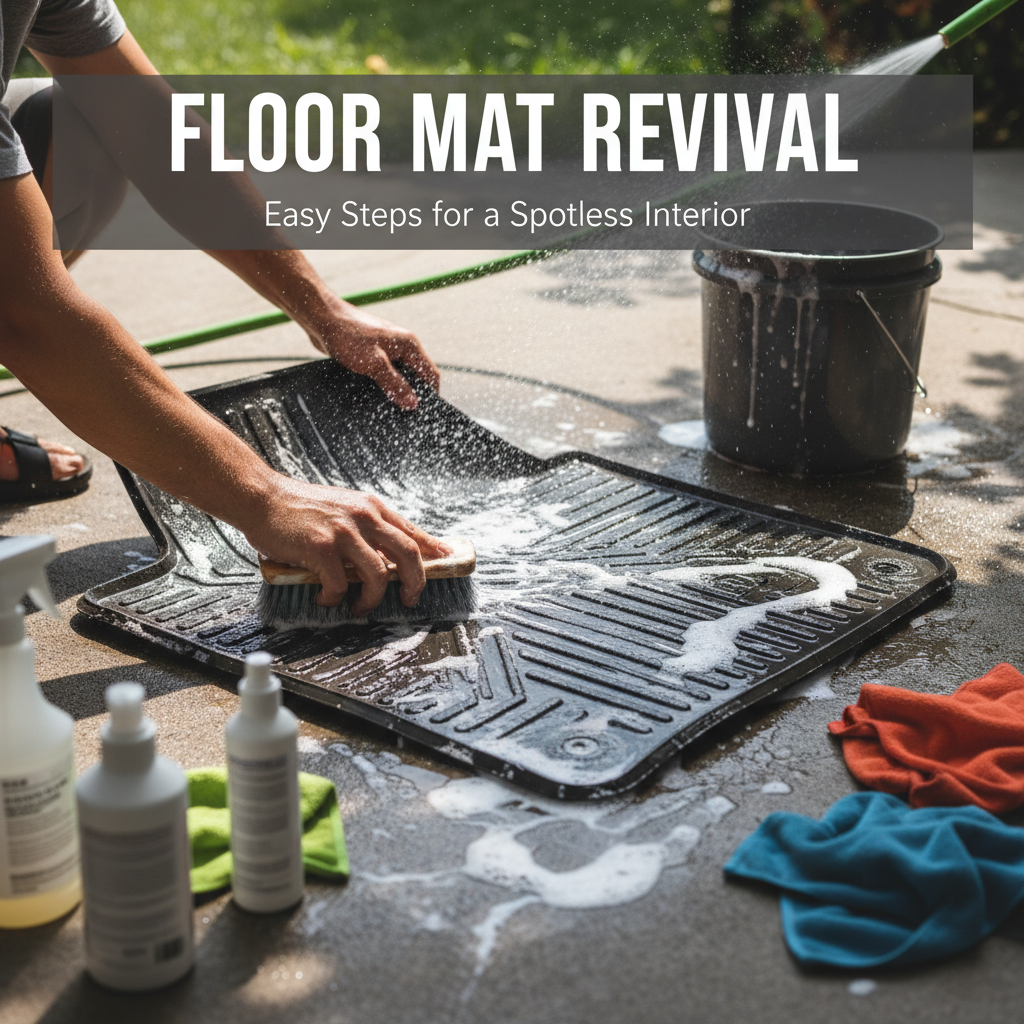
In any commercial, industrial, or even residential setting, floor mats play a crucial role. They protect floors, enhance safety, reduce fatigue, and contribute significantly to a space’s overall cleanliness and aesthetic appeal. However, like any hardworking asset, mats require regular attention. Proper mat cleaning and maintenance are not just about keeping them looking good; they are essential for extending their lifespan, ensuring their effectiveness, and upholding hygiene standards. Neglecting this vital task can lead to premature wear, reduced safety features, and an uninviting environment.
Why Regular Mat Cleaning & Maintenance Matters
Floor mats are constantly exposed to dirt, moisture, debris, and foot traffic. Over time, this accumulation can compromise their functionality and appearance. Here’s why a dedicated cleaning routine is non-negotiable:
- Extends Mat Lifespan: Regular cleaning removes abrasive particles that can wear down mat fibers and backing, preventing premature deterioration. This means fewer replacements and significant cost savings over time.
- Maintains Safety Features: Dirt and grease can reduce the slip-resistant properties of mats, turning a safety device into a potential hazard. Cleaning ensures the mat’s grip remains effective, preventing slips and falls.
- Enhances Aesthetics: A clean mat projects a professional image, creating a welcoming first impression for visitors and a pleasant working environment for employees. Stained, dirty mats detract from your business’s appeal.
- Improves Hygiene: Mats trap allergens, bacteria, and viruses. Regular cleaning, especially in high-traffic areas, is crucial for maintaining a sanitary environment and preventing the spread of germs. This is particularly important for IdealMats, where hygiene is paramount.
- Preserves Performance: For specialized mats like anti-fatigue mats, dirt buildup can reduce their cushioning properties, diminishing their ergonomic benefits.
General Principles for Mat Cleaning
While specific cleaning methods vary by mat type, some general principles apply to most:
- Regular Vacuuming/Sweeping: For carpeted and textile mats, daily vacuuming is crucial to remove loose dirt and debris before it gets embedded. For rubber or vinyl mats, sweeping or mopping daily prevents buildup.
- Spot Cleaning: Address spills and stains immediately. The longer a stain sits, the harder it is to remove. Use appropriate cleaning agents designed for the mat material.
- Deep Cleaning: Depending on traffic and mat type, deep cleaning should occur regularly—weekly, monthly, or quarterly. This involves more thorough methods like hosing, pressure washing, or shampooing.
- Thorough Drying: Always ensure mats are completely dry before placing them back on the floor. Damp mats can promote mold and mildew growth, damage flooring, and create slip hazards.
Cleaning Guides for Specific Mat Types
1. Entrance Mats (Commercial & Residential)
Entrance mats are the first line of defense against dirt and moisture entering your premises. They come in various forms, from heavy-duty scraper mats to absorbent textile mats.
Cleaning Steps:
- Shake/Vacuum Daily: For loose dirt, shake smaller mats outdoors. For larger mats, use a powerful commercial vacuum cleaner with a brush attachment.
- Hose Down (Weekly/Bi-weekly): For rubber, vinyl, or heavy-duty textile mats, take them outside and hose them down with water. Use a stiff brush and a mild detergent for stubborn dirt.
- Pressure Wash (Monthly): For highly soiled or heavily trafficked entrance mats, a pressure washer can be highly effective. Use a wide spray pattern and keep a safe distance to avoid damaging the mat fibers.
- Shampoo/Extract (Periodically): For carpeted entrance mats, use a carpet extractor or shampoo machine with a low-foaming carpet cleaner. Ensure thorough rinsing to remove all soap residue.
- Dry Completely: Hang or lay mats flat in a well-ventilated area until completely dry.
Reference: For more on effective entrance solutions, visit IdealMats.
2. Anti-Fatigue Mats (Industrial & Commercial)
Designed to reduce strain for standing workers, anti-fatigue mats are often made from rubber or PVC and are found in industrial, retail, and office environments.
Cleaning Steps:
- Sweep/Mop Daily: Remove loose debris with a broom or a damp mop using a mild detergent and water solution.
- Spot Clean: Immediately wipe up spills using a cloth and an appropriate cleaner. Avoid harsh chemicals that can degrade the mat material.
- Deep Clean (Weekly/Bi-weekly): For rubber mats, you can often hose them down. For PVC mats, a thorough mop and scrub with a neutral cleaner will suffice.
- Air Dry: Allow mats to air dry completely before returning them to the floor. Do not use heat dryers as they can cause warping.
Safety Tip: Ensure the area under the mat is also clean and dry to prevent mold growth and maintain floor integrity.
3. Logo & Branded Mats
Logo mats are an excellent branding tool, but their intricate designs require careful cleaning to preserve their visual impact. Whether you have custom premier logo mats or specialist logo mats, gentle care is key.
Cleaning Steps:
- Vacuum Regularly: Use a non-beater bar vacuum cleaner to prevent damage to the mat fibers and design.
- Spot Treat Carefully: For stains, use a mild fabric cleaner and a soft cloth, blotting gently. Avoid scrubbing vigorously, which can distort the logo.
- Light Hosing/Shampooing: For a deeper clean, light hosing with cool water and a mild detergent can be used for rubber-backed mats. For textile logo mats, a low-moisture carpet extractor is ideal.
- Color Preservation: Avoid harsh bleaches or strong alkaline cleaners that can fade the vibrant colors of your logo.
- Air Dry Flat: Dry completely, preferably by laying flat to prevent warping or creasing, which could affect the logo’s appearance.
Branding Tip: A clean logo mat reinforces a positive brand image. Consider a mat rental service for consistent professional cleaning.
4. Kitchen & Grease Mats
These mats face the toughest challenges, constantly exposed to oils, grease, and food debris, common in commercial kitchens. Grease can make floors incredibly slippery, posing significant safety risks. A study by the CDC National Institute for Occupational Safety and Health (NIOSH) highlights the prevalence of slips, trips, and falls in the workplace, with contaminated floors being a major contributor.
Cleaning Steps:
- Scrape Off Debris: Daily, scrape off any large food particles or grease buildup.
- Degrease: Apply a commercial-grade degreaser specifically designed for kitchen environments. Allow it to sit for the recommended time.
- Hose/Pressure Wash: Use hot water and a high-pressure washer to thoroughly rinse the mats, removing all grease and cleaning solution. Ensure runoff is directed into appropriate drainage.
- Scrub (If Needed): For extremely stubborn grease, a stiff brush might be necessary during rinsing.
- Dry Completely: Air dry in a designated area. Ensure no greasy residue remains before placing back on the floor.
5. Gym & Sports Mats
Hygiene is paramount for gym mats, where sweat and skin contact are common, leading to bacterial growth. The National Institutes of Health (NIH) emphasize the importance of cleaning and disinfection in preventing the spread of infections in athletic facilities.
Cleaning Steps:
- Wipe Down After Each Use (or Daily): Use a disinfectant spray or wipe compatible with the mat material (often foam or rubber) to sanitize surfaces.
- Sweep/Vacuum: Remove any dust or debris.
- Deep Clean (Weekly/Bi-weekly): Use a mild detergent and water solution with a mop or soft brush. Rinse thoroughly.
- Disinfect Regularly: Apply a broad-spectrum disinfectant suitable for gym equipment, allowing it to dwell for the recommended time before wiping clean.
- Air Dry: Ensure mats are completely dry before reuse to prevent mildew.
Beyond Cleaning: Essential Mat Maintenance Tips
Cleaning is only half the battle. Strategic maintenance practices will further extend your mats’ life and effectiveness:
- Mat Rotation: Rotate mats regularly, especially in high-traffic areas, to ensure even wear and tear. This prevents specific spots from wearing out faster.
- Proper Storage: When not in use, store mats flat or rolled, avoiding sharp folds or creases that can cause damage. Keep them in a clean, dry area.
- Prompt Repair: Address small tears, frayed edges, or loose backing immediately. Early repair can prevent minor damage from becoming irreparable.
- Use Mat Underlays: For certain types of mats on hard floors, an underlay can prevent slipping, protect the floor, and add extra cushioning.
- Professional Cleaning Services: For large businesses or highly soiled mats, consider engaging professional mat cleaning services. They have specialized equipment and expertise to restore mats effectively. Many suppliers, including IdealMats, can advise on cleaning best practices or offer rental services.
The Long-Term Benefits of Diligent Mat Care
Investing time and effort into mat cleaning and maintenance yields significant returns. You’ll not only enjoy cleaner, safer, and more visually appealing premises but also realize substantial cost savings by extending the life of your matting investments. From safeguarding employees and customers against slips to reinforcing your brand image with clean logo mats, a proactive approach to mat care is a cornerstone of responsible facility management.
For high-quality, durable commercial, industrial, and residential mats designed for longevity and easy maintenance, explore the extensive range available at IdealMats, Specialist Mats, and our specialized branding solutions at Logo Mats, Premier Logo Mats EU, and Specialist Logo Mats. Implementing these guides will ensure your mats perform optimally for years to come.