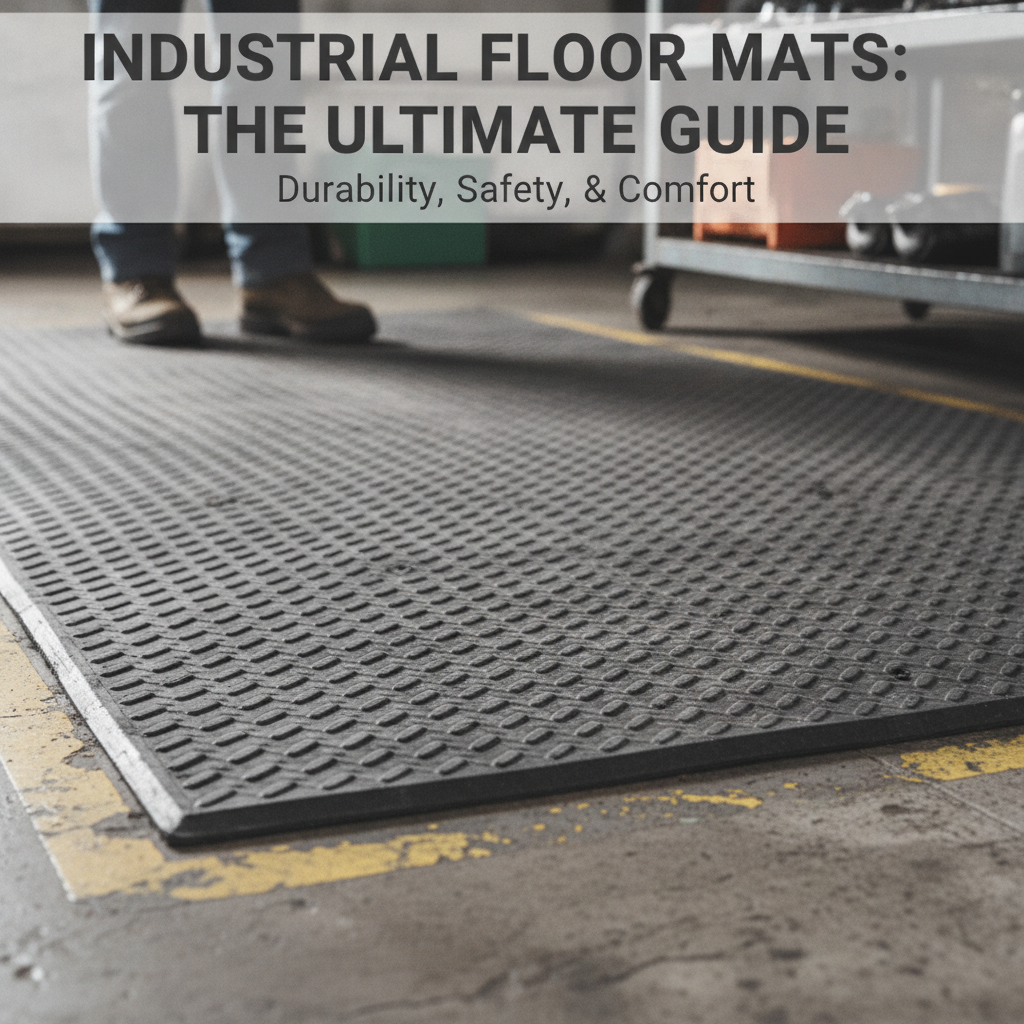
In demanding industrial environments, every detail contributes to the overall safety, efficiency, and well-being of employees. One often-overlooked yet critically important element is the humble industrial floor mat. Far from being just a decorative item, these specialized mats play a pivotal role in creating safer, more comfortable, and ultimately more productive workspaces across various sectors, from manufacturing plants to commercial kitchens and workshops.
The right industrial matting solution can mitigate numerous workplace hazards, reduce employee fatigue, protect valuable flooring, and even control contaminants. This comprehensive guide will delve into the world of industrial floor mats, exploring their vital functions, diverse types, and how to select the optimal solution for your specific operational needs.
Why Industrial Floor Mats Are Essential for Modern Workplaces
The benefits of investing in high-quality industrial floor mats extend far beyond mere aesthetics. They are fundamental tools for risk management, ergonomic improvement, and operational efficiency.
Enhanced Safety and Accident Prevention
- Reduced Slips, Trips, and Falls: According to the Occupational Safety and Health Administration (OSHA), slips, trips, and falls account for a significant percentage of general industry accidents. Industrial mats, particularly anti-slip varieties, provide superior traction on wet, oily, or otherwise hazardous surfaces, dramatically reducing these incidents.
- Chemical and Spill Containment: Many industrial mats are designed with raised edges or drainage holes to contain spills of water, oils, chemicals, and other liquids, preventing them from spreading and creating broader hazards.
- Impact Absorption: Mats can cushion falls, reducing the severity of injuries if an accident does occur. They also protect dropped tools and delicate equipment from damage.
Improved Ergonomics and Employee Well-being
- Fatigue Reduction: Prolonged standing on hard surfaces can lead to severe fatigue, discomfort, and a range of musculoskeletal disorders (MSDs) such as back pain, leg pain, and circulatory issues. Anti-fatigue mats are engineered with cushioning properties that encourage subtle muscle movements, promoting blood circulation and distributing pressure, thereby reducing strain. This leads to increased comfort and concentration.
- Temperature Insulation: In colder environments, mats can provide a thermal barrier, insulating workers from cold concrete floors and contributing to a more comfortable working temperature.
Increased Productivity and Efficiency
- When employees are more comfortable and less fatigued, their focus and productivity naturally improve. Reduced discomfort translates to fewer breaks needed and sustained concentration throughout shifts.
- By preventing accidents and injuries, industrial mats contribute to fewer lost workdays and reduced workers’ compensation claims, positively impacting your bottom line.
For a wide range of solutions designed to meet these needs, consider exploring options from IdealMats.co.uk.
Diverse Types of Industrial Floor Mats and Their Applications
The world of industrial matting is specialized, with various types designed for specific challenges and environments:
- Anti-Fatigue Mats: Ideal for workstations where employees stand for long periods, such as assembly lines, retail counters, and packing stations. They are available in various materials, including rubber and PVC, with different levels of cushioning.
- Anti-Slip Mats: Essential in areas prone to wetness, oil, or grease, like commercial kitchens, food processing plants, and manufacturing facilities. Their textured surfaces provide enhanced grip.
- Anti-Static (ESD) Mats: Critical in environments where static electricity can damage sensitive electronic components or ignite flammable materials, such as electronics manufacturing, server rooms, and certain chemical processing areas. These mats safely dissipate static charges.
- Drainage Mats: Featuring perforations or raised studs, these mats allow liquids and debris to pass through, keeping the standing surface clear and dry. Common in wet areas, locker rooms, and outdoor entrances.
- Welding Mats: Constructed from flame-retardant materials, these mats protect workers from sparks and hot metal splatter, while also offering anti-fatigue properties.
- Grease-Resistant/Proof Mats: Specifically formulated to withstand oils, greases, and harsh chemicals without degrading, making them indispensable in food service, automotive, and industrial settings.
- Modular/Interlocking Mats: Offer flexibility to cover large or unusually shaped areas. They can be easily configured, expanded, or replaced in sections.
Specialist requirements for specific environments can be met with solutions from SpecialistMats.co.uk.
Key Considerations When Choosing Industrial Floor Mats
Selecting the correct industrial floor mat requires careful evaluation of several factors:
- Environment and Hazards: What are the primary risks? Is it wet, oily, chemical-laden, or subject to extreme temperatures? Are there heavy impact forces or static electricity concerns?
- Traffic Level: Will the mat endure light foot traffic, heavy foot traffic, or even forklift traffic? The mat’s durability and thickness should match the expected wear and tear.
- Duration of Standing: For how long will workers be standing on the mats? Longer periods necessitate greater anti-fatigue properties.
- Cleaning and Maintenance: How easy is the mat to clean? Some materials are more resistant to chemicals and easier to sanitize, which is crucial in food service or healthcare.
- Material Composition: Common materials include natural rubber (excellent anti-fatigue, durable), nitrile rubber (oil and grease resistant), PVC (versatile, good cushioning), and composite materials.
- Compliance: Does the mat meet any specific industry standards or regulations (e.g., slip resistance ratings, fire ratings, ESD standards)?
Consider consulting experts at SpecialistLogoMats.co.uk for tailored advice on matting solutions that can also incorporate branding.
Maintenance and Longevity of Industrial Mats
To maximize the lifespan and effectiveness of your industrial floor mats, regular cleaning and maintenance are crucial. This typically involves:
- Regular sweeping or vacuuming to remove loose dirt and debris.
- Washing with appropriate detergents and water, often with a hose or pressure washer, especially for drainage mats.
- Allowing mats to dry thoroughly before returning them to service to prevent mildew or mold growth.
- Inspecting mats periodically for wear, tears, or degradation, and replacing them as needed to maintain safety and performance standards.
Proper care not only extends the life of your investment but also ensures that the mats continue to provide their intended safety and ergonomic benefits effectively.
Conclusion: A Smart Investment in Workplace Excellence
Industrial floor mats are more than just accessories; they are integral components of a safe, ergonomic, and productive work environment. By strategically implementing the right matting solutions, businesses can significantly reduce workplace accidents, alleviate employee fatigue, protect infrastructure, and ultimately foster a more positive and efficient operational culture. Investing in quality industrial matting is an investment in your employees’ well-being and your company’s long-term success.
Whether your priority is preventing slips, combating fatigue, or safeguarding against static discharge, there is a specialized industrial mat designed to meet your needs. Explore comprehensive ranges and custom solutions from trusted providers like Logo-Mats.co.uk and PremierLogoMats.eu to find the perfect fit for your industrial applications.