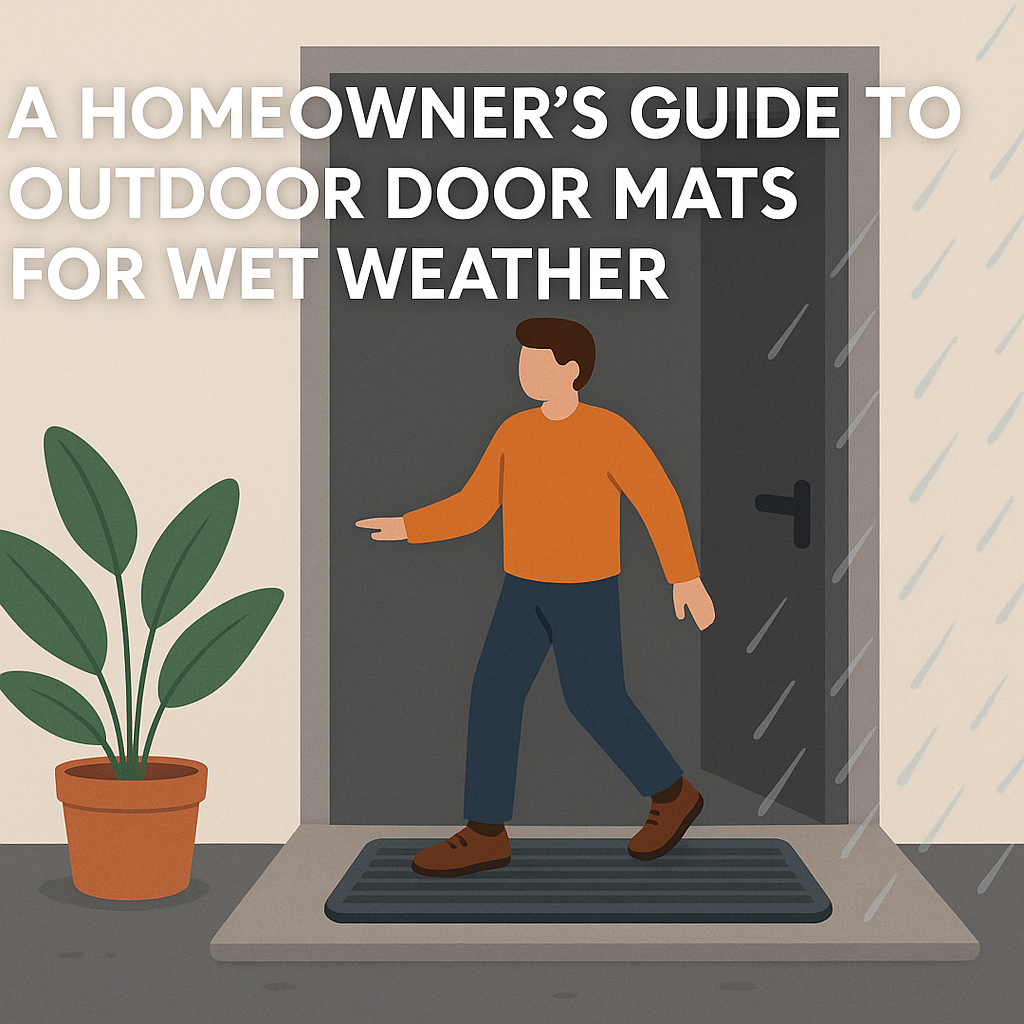
When the heavens open up, your entryway can quickly become a messy, hazardous zone. Rain, mud, and slick surfaces not only tarnish the look of your pristine floors but also pose a significant safety risk. Investing in a high-quality outdoor door mat is one of the simplest yet most effective measures you can take to combat wet weather challenges. This guide will walk you through everything you need to know to select the perfect outdoor mat that keeps your home safe, clean, and welcoming, no matter the weather.

Why an Outdoor Door Mat is Non-Negotiable in Wet Weather
An effective outdoor entrance mat does more than just greet your guests. It serves as the first line of defense against the elements. According to the National Safety Council, slips, trips, and falls are a leading cause of preventable injuries, and wet, slippery surfaces are a major contributor to these accidents. Here’s why a good outdoor mat is crucial:
- Enhanced Safety: A well-designed mat provides a high-traction surface, significantly reducing the risk of slips and falls on wet, slick entryways.
- Cleaner Floors: Roughly 80% of the dirt and debris inside a building is tracked in from the outside. A quality mat scrapes off mud, grass, and grime from shoes before they even cross the threshold.
- Floor Protection: By trapping abrasive particles and excess moisture at the door, mats prevent scratches, stains, and water damage to your interior flooring, be it hardwood, laminate, or carpet. This extends the life of your floors and reduces cleaning and maintenance costs.
Key Features to Look for in a Wet Weather Outdoor Mat
Not all mats are created equal, especially when it comes to tackling rain, sleet, and snow. Here are the essential features to consider when making your selection:
1. Superior Water-Wicking & Drainage
The primary job of a wet weather mat is to manage moisture. Look for mats designed with excellent drainage capabilities. Many high-performance outdoor mats feature perforations or raised patterns that allow water to drain through and away from the surface, ensuring the mat itself doesn’t become a soggy, slippery hazard.
2. Aggressive Scraping Texture
To be effective, an outdoor mat needs to have a textured, abrasive surface that can aggressively scrape debris from shoe soles. Look for mats with raised patterns, bristles, or a coarse texture that can effectively dislodge mud, grit, and leaves.
3. Durable, Weather-Resistant Material
An outdoor mat is constantly exposed to the elements. It needs to be made from a material that can withstand rain, UV rays, and temperature fluctuations without cracking, fading, or deteriorating. We’ll dive deeper into specific materials below.
4. Non-Slip Backing
What’s the point of a mat if it slides around your entryway? A secure, non-slip backing is essential for safety and functionality. Heavy-duty rubber backings are excellent at gripping the floor surface, ensuring the mat stays firmly in place.

Top Materials for Outdoor Door Mats for Wet Weather
The material of your doormat is the most critical factor in its performance. Here are some of the best options for handling wet conditions:
Natural and Nitrile Rubber
Rubber is a champion material for outdoor mats, renowned for its durability and all-weather resilience.
- Benefits: It’s waterproof, heavy enough to stay put, and offers excellent scraping properties. Many rubber mats come with holes or channels for drainage and a textured surface for maximum grip. Nitrile rubber, a synthetic variant, offers superior resistance to grease and oils, making it a great choice for commercial or industrial settings.
- Best For: High-traffic areas, commercial entrances, and homes in regions with heavy rainfall.
Polypropylene
Polypropylene is a synthetic fiber that is a workhorse in the matting industry.
- Benefits: This material is quick-drying, stain-resistant, and highly effective at scraping off dirt and absorbing moisture. It’s often used in “water-hog” style mats that can trap large amounts of water. It’s also resistant to mold and mildew, which is a huge plus in damp environments. For more on its uses, the British Plastics Federation offers in-depth information.
- Best For: Covered porches or as part of a dual-mat system (one outdoor scraper mat, one indoor absorbent mat).
Coir (Coconut Fiber)
Coir mats are a traditional and eco-friendly option made from coconut husks.
- Benefits: They have excellent scraping abilities due to their coarse, stiff bristles. They are natural and have a classic aesthetic.
- Downsides: While good at scraping, coir mats can shed fibers and may become waterlogged if exposed to constant, heavy rain without a chance to dry, potentially leading to mildew.
- Best For: Covered or semi-protected entryways where they can effectively dry out between uses.
Choosing the Right Size and Style
Functionality is key, but you don’t have to sacrifice style.
- Size: Your mat should be at least as wide as your doorway. A larger mat provides more surface area for people to wipe their feet, increasing its effectiveness. For double doors, consider a wider mat to ensure full coverage.
- Style: Outdoor mats come in a vast range of designs, from purely functional to highly decorative. You can even get personalized or branded mats to add a unique touch to your entrance. Consider a mat that complements your home’s exterior.
Maintenance for Longevity
To keep your outdoor mat performing at its best, a little regular maintenance goes a long way.
- Shake it Out: Regularly shake out or vacuum the mat to remove trapped dirt and debris.
- Hose it Down: For a deeper clean, especially for rubber or synthetic mats, simply hose it down and let it air dry.
- Scrub When Needed: If the mat is particularly grimy, a gentle scrub with a mild detergent and a brush can restore its surface.
Conclusion: Step Up Your Entryway Game
A reliable outdoor door mat is a small investment that pays huge dividends in safety, cleanliness, and floor preservation. By choosing a mat with the right material, texture, and drainage for wet weather, you create a safer and more welcoming transition into your home. Don’t let rainy days wreak havoc on your entryway. Choose a high-performance outdoor mat and confidently welcome guests, knowing that you’re protected from the elements from the ground up.