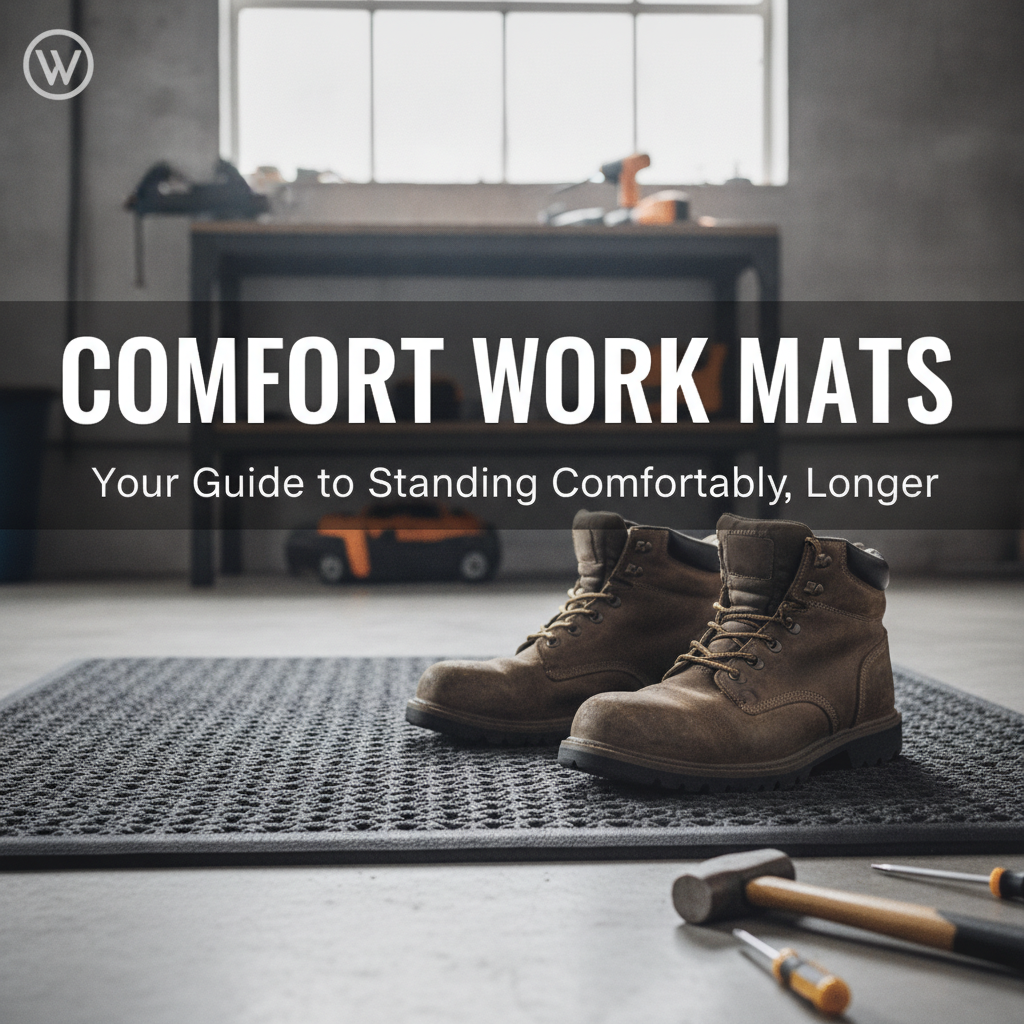
In today’s fast-paced work environments, many roles require employees to spend significant periods standing. While standing can sometimes be seen as a way to avoid the pitfalls of sedentary work, prolonged standing can lead to its own unique set of health issues, impacting not only employee well-being but also overall productivity. This is where anti-fatigue mats step in as an essential solution.
From bustling factory floors to busy retail counters, and even standing desks in modern offices, anti-fatigue mats are becoming indispensable tools designed to mitigate the strain associated with static standing. But what exactly makes these mats so effective, and why should every workplace consider investing in them?
What Are Anti-Fatigue Mats?
Anti-fatigue mats are ergonomically designed floor coverings made from materials such as rubber, PVC, or foam, engineered to provide cushioning and support for individuals who stand for extended periods. Unlike standard floor mats, their primary function isn’t just to keep floors clean or provide traction, but to stimulate subtle muscle movement and reduce the impact of hard surfaces on the body.
The core principle behind these mats is simple: provide a soft, resilient surface that encourages tiny, imperceptible movements in the feet and legs. This constant micro-movement helps to prevent blood pooling in the lower extremities, promoting better circulation and reducing the static muscle fatigue that arises from standing still on unforgiving floors.
The Science Behind Enhanced Comfort and Health
Prolonged standing on hard surfaces like concrete can exert significant pressure on the feet, legs, and spine. This constant pressure can lead to a range of musculoskeletal disorders (MSDs), including lower back pain, foot pain (plantar fasciitis), leg swelling, and even varicose veins. Research from institutions like the Canadian Centre for Occupational Health and Safety (CCOHS) highlights that standing for extended periods can cause muscle fatigue and reduced blood flow to the lower limbs, increasing the risk of discomfort and injury.
Anti-fatigue mats work by providing a softer interface that disperses pressure more evenly across the foot. The slight give and spring-back of the mat material encourage minor adjustments in posture and foot placement. These subtle movements are crucial because they engage different muscle groups, preventing any single group from becoming overstressed and fatigued. This improved muscle activity also acts as a natural pump, aiding blood circulation and reducing the build-up of lactic acid, which is a major contributor to muscle soreness.
Key Health Benefits for Employees
- Reduced Musculoskeletal Discomfort: Studies consistently show that anti-fatigue mats significantly lower reported levels of back, leg, and foot pain among workers. This translates to fewer aches and pains at the end of a shift.
- Improved Circulation: By promoting micro-movements, these mats help maintain healthy blood flow, preventing the pooling of blood in the legs and feet that can lead to swelling and discomfort.
- Prevention of MSDs: Long-term use of anti-fatigue mats can contribute to a reduction in the incidence of serious MSDs, leading to a healthier workforce and fewer workers’ compensation claims.
- Enhanced Energy Levels: When employees are not battling constant discomfort, they experience less fatigue, maintaining higher energy levels throughout their workday.
Boosting Workplace Productivity and Morale
The benefits of anti-fatigue mats extend beyond individual employee health, directly impacting the overall productivity and atmosphere of a workplace:
- Increased Focus and Concentration: Employees who are comfortable and free from pain can concentrate better on their tasks, leading to fewer errors and higher quality work.
- Reduced Absenteeism: By mitigating health issues related to prolonged standing, anti-fatigue mats can help reduce sick days and time off due to pain or injury. This is a significant factor, as musculoskeletal injuries are a leading cause of missed workdays globally, according to the Occupational Safety and Health Administration (OSHA).
- Higher Employee Morale: Investing in employee comfort demonstrates a commitment to their well-being, fostering a positive work environment and boosting morale. Happy, comfortable employees are more engaged and loyal.
- Decreased Turnover: A more comfortable and supportive work environment can lead to higher job satisfaction, potentially reducing employee turnover rates, which saves companies significant costs in recruitment and training.
Who Can Benefit Most from Anti-Fatigue Mats?
While virtually any standing workstation can benefit, certain industries and roles find anti-fatigue mats particularly invaluable:
- Manufacturing and Industrial Settings: Assembly lines, workshops, and production areas where workers stand for hours are prime candidates. Specialist Mats offers robust solutions tailored for heavy-duty industrial environments.
- Retail and Hospitality: Cashiers, sales associates, kitchen staff, and baristas who are constantly on their feet will experience significant relief.
- Healthcare: Nurses, lab technicians, and surgeons often endure long hours standing; these mats can be crucial for their comfort and focus.
- Laboratories: Scientists and technicians performing experiments or analyses at standing benches can benefit greatly.
- Office Environments: With the rise of standing desks, anti-fatigue mats are essential companions for office workers seeking ergonomic benefits.
- Welding and Fabrication: Welders often stand for long periods, and specialized mats with anti-fatigue properties can also offer heat and spark resistance.
Choosing the Right Anti-Fatigue Mat
Selecting the appropriate anti-fatigue mat involves considering several factors:
- Material: Different materials offer varying levels of cushioning, durability, and resistance to chemicals, oils, or extreme temperatures. Rubber is durable, PVC is versatile, and polyurethane foam offers excellent comfort.
- Thickness: Thicker mats generally provide more cushioning but can also create a tripping hazard if not properly edged. Find a balance suitable for your environment.
- Size and Shape: Mats should cover the entire standing area. Custom shapes and sizes are available for unique workstations. For branding and specific applications, explore options from Premier Logo Mats EU or Specialist Logo Mats.
- Anti-Slip Properties: Essential for safety, especially in wet or oily environments. Look for certified anti-slip surfaces.
- Edge Design: Beveled edges are critical to prevent tripping hazards, making it easier to roll carts or chairs over them.
- Cleaning and Maintenance: Choose mats that are easy to clean and maintain, ensuring longevity and hygiene.
For high-traffic areas or environments requiring specific safety features, always consult with matting specialists who can recommend the best solutions for your needs.
Conclusion
Anti-fatigue mats are more than just a comfortable addition to a workspace; they are a strategic investment in employee health, safety, and productivity. By actively mitigating the risks associated with prolonged standing, businesses can create a more supportive, ergonomic environment that fosters well-being and drives efficiency. Prioritising employee comfort with quality anti-fatigue matting is a clear step towards a healthier, more productive, and ultimately more successful workplace.