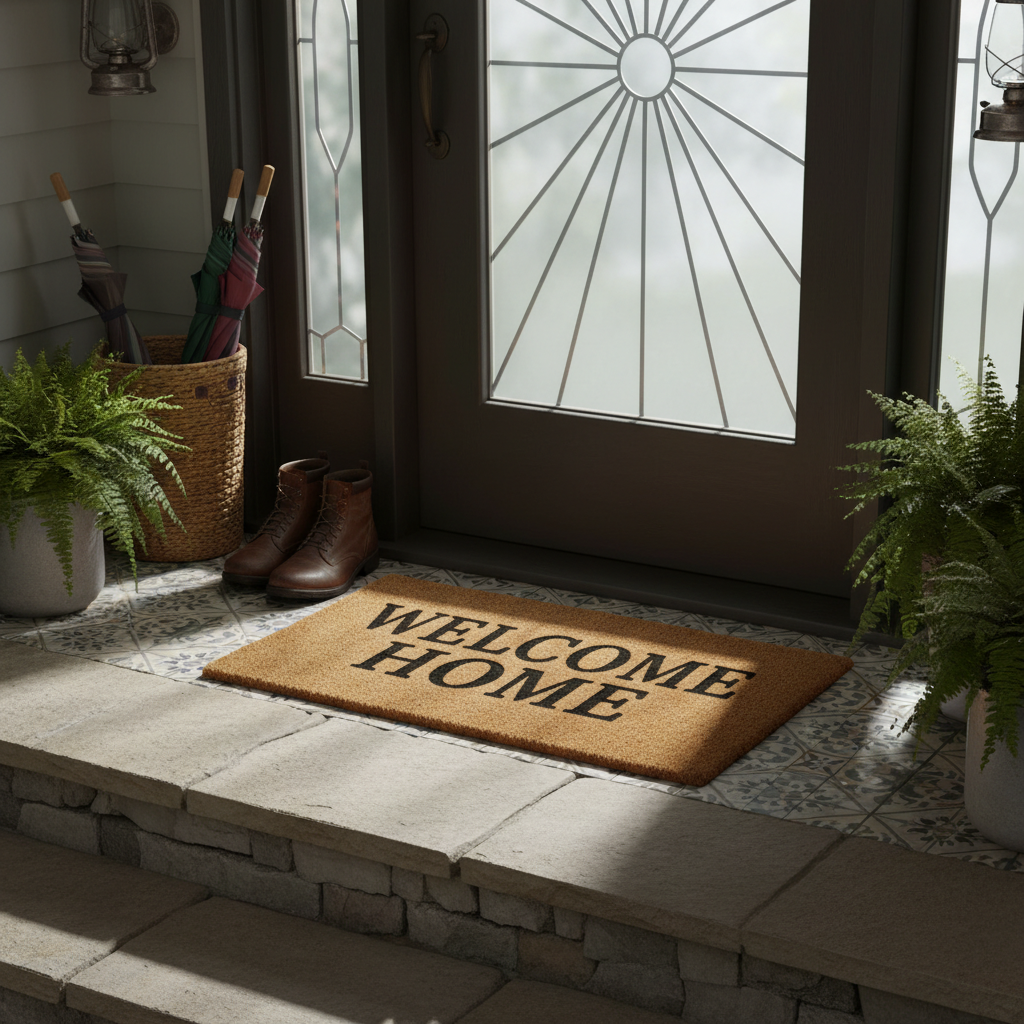
Whether for a bustling commercial entrance, a busy industrial workshop, or the welcoming threshold of a home, a door mat is far more than just a decorative accent. It’s a critical first line of defense against dirt, moisture, and debris, playing a pivotal role in maintaining cleanliness, ensuring safety, and even reinforcing brand identity. With a myriad of options available, selecting the right door mat can seem daunting. This comprehensive guide will walk you through everything you need to know, helping you make an informed decision for your specific needs.
Why a Good Door Mat is Essential
The benefits of a well-chosen door mat extend beyond mere aesthetics:
- Enhanced Safety: Wet floors are a leading cause of slips and falls. Effective entrance mats absorb moisture and provide traction, significantly reducing the risk of accidents. According to the National Floor Safety Institute (NFSI), slips and falls account for over one million emergency room visits annually.
- Superior Cleanliness: Studies indicate that effective entrance matting can stop up to 70-80% of dirt, dust, and moisture from entering a building. This dramatically reduces the amount of soil tracked onto interior flooring, leading to cleaner premises.
- Floor Protection: By trapping abrasive particles, mats prevent scratches and wear on your interior flooring, extending the lifespan of carpets, hardwood, tiles, and other surfaces. This translates to significant cost savings on maintenance and replacement over time.
- Improved Air Quality: Mats can trap allergens and pollutants, preventing them from becoming airborne inside your space, which contributes to better indoor air quality.
- Professional Appearance & Branding: A clean, well-maintained entrance makes a positive first impression. For businesses, custom logo mats offer an excellent opportunity to reinforce brand identity right from the doorstep, greeting visitors with a professional and consistent message.
Understanding Door Mat Types & Materials
Mats are generally categorized by their intended use and the environment they will be placed in.
Indoor vs. Outdoor Mats
- Outdoor Mats: Designed to aggressively scrape off coarse dirt, mud, and snow from footwear. They are typically made from durable, weather-resistant materials like rubber, heavy-duty PVC, or coir. They often feature an open construction or raised patterns to allow debris to fall through or be trapped.
- Indoor Mats: Primarily designed to absorb moisture and trap finer dust and dirt. They are usually made from highly absorbent materials such as carpet or textile fibers. They often feature non-slip backings to prevent shifting on smooth interior floors.
Residential vs. Commercial & Industrial Mats
While basic principles apply to all mats, the demands of commercial and industrial settings require more robust solutions, such as those found at IdealMats and Specialist Mats.
- Residential Mats: Focus on comfort, aesthetics, and basic dirt/moisture control for home use. They experience lighter foot traffic and often prioritize design.
- Commercial & Industrial Mats: Built for high traffic, extreme durability, and specialized functions. These mats must withstand constant use, provide superior safety features, and often meet specific industry standards. Examples include heavy-duty entrance mats, anti-fatigue mats for standing workers, and highly absorbent barrier matting for large premises. For specialized solutions and branding, explore options at Premier Logo Mats EU and Specialist Logo Mats.
Common Mat Materials
The material of your mat dictates its primary function, durability, and maintenance requirements:
- Coir: Made from natural coconut fibers, coir mats are excellent for scraping dirt and debris. They offer a traditional, rustic look and are durable for outdoor use, though they can shed fibers.
- Rubber: Highly durable, weather-resistant, and non-slip, rubber mats are ideal for outdoor use and high-traffic commercial or industrial settings. They are excellent for scraping and can be designed with drainage holes for wet areas.
- PVC/Vinyl: Versatile and robust, PVC mats are effective for scraping and can withstand heavy use. They are often used as backing for carpet mats, providing stability and moisture resistance.
- Carpet/Textile: These mats excel at absorbing moisture and trapping fine dirt. Made from materials like nylon, polypropylene, or cotton, they come in various pile heights and colors, making them suitable for indoor entrances and aesthetic considerations.
- Aluminium & Modular Systems: For very high-traffic commercial and public buildings, advanced entrance systems featuring aluminium profiles with interchangeable inserts (carpet, rubber, brush) offer unparalleled dirt and moisture removal, durability, and a sophisticated appearance.
Key Factors to Consider When Buying Your Door Mat
To choose the perfect mat, evaluate these crucial aspects:
1. Location and Traffic Level
The amount of foot traffic your mat will endure is paramount.
- Light Traffic (Residential, Small Offices): Standard residential mats or lighter-duty commercial mats made from coir, cotton, or basic nylon blends are often sufficient.
- Medium Traffic (Small Retail, Clinics): Look for durable carpet mats with robust PVC or rubber backing, or more substantial rubber scraping mats for outdoors.
- Heavy Traffic (Large Retail, Public Buildings, Industrial): Requires heavy-duty commercial grade mats, rubber scraper mats, or advanced barrier matting systems engineered for extreme durability and performance.
2. Size and Placement
The mat should be large enough to allow for at least two to three full footfalls before entering the main floor. For single doors, aim for a mat that is at least 80-90% of the doorway’s width. For double doors or wide entrances, a larger, custom-sized mat is essential to cover the entire entry point effectively.
3. Functionality
- Scraping vs. Absorbency: Outdoor mats prioritize scraping, while indoor mats focus on absorbing moisture. Often, a combination of both (an outdoor scraper followed by an indoor absorbent mat) offers the best defense.
- Anti-Fatigue Properties: In industrial or commercial settings where employees stand for long periods, anti-fatigue mats are crucial for reducing strain on legs, back, and feet, improving comfort and productivity.
- Anti-Slip Backing: For safety, particularly in commercial environments, ensure the mat has a strong, non-slip backing (usually rubber or heavy-duty vinyl) to prevent it from sliding, buckling, or becoming a trip hazard.
4. Durability and Maintenance
Consider how easily the mat can be cleaned and its expected lifespan. Rubber and synthetic carpet mats are generally easy to clean (hosing down, vacuuming), while natural fibers like coir might require more specific care. Investing in a durable mat appropriate for its traffic level will save replacement costs in the long run.
5. Design and Branding
While functionality is key, the appearance of your mat is also important. For businesses, a custom-designed logo mat can reinforce your brand identity and create a welcoming entrance. For residential use, choose a design that complements your home’s aesthetic.
Specialist Matting Solutions
Beyond standard door mats, several specialized options cater to unique requirements:
- Logo Mats: Perfect for businesses looking to enhance their brand presence and create a professional first impression. Check out options at Logo Mats and Premier Logo Mats EU.
- Anti-Fatigue Mats: Designed to provide cushioning and support for workers who stand for extended periods, reducing fatigue and improving comfort. Explore these at Specialist Mats.
- Barrier Matting Systems: Integrated matting solutions, often recessed into the floor, for high-traffic public and commercial buildings. They offer superior dirt and moisture control and are built for extreme durability. IdealMats offers a range of these robust solutions.
- Wet Area/Grease Resistant Mats: Essential for kitchens, bars, swimming pool areas, or industrial zones prone to spills. These mats offer excellent drainage, slip resistance, and often resistance to oils and chemicals.
Conclusion
Choosing the right door mat is an investment in safety, cleanliness, and the longevity of your flooring. By carefully considering the location, traffic level, materials, and specific functions required, you can select a mat that not only meets your needs but also enhances the overall appeal of your entrance. Whether you require a simple residential mat or a robust commercial entrance system from IdealMats, a well-chosen mat is a foundational element for any space.