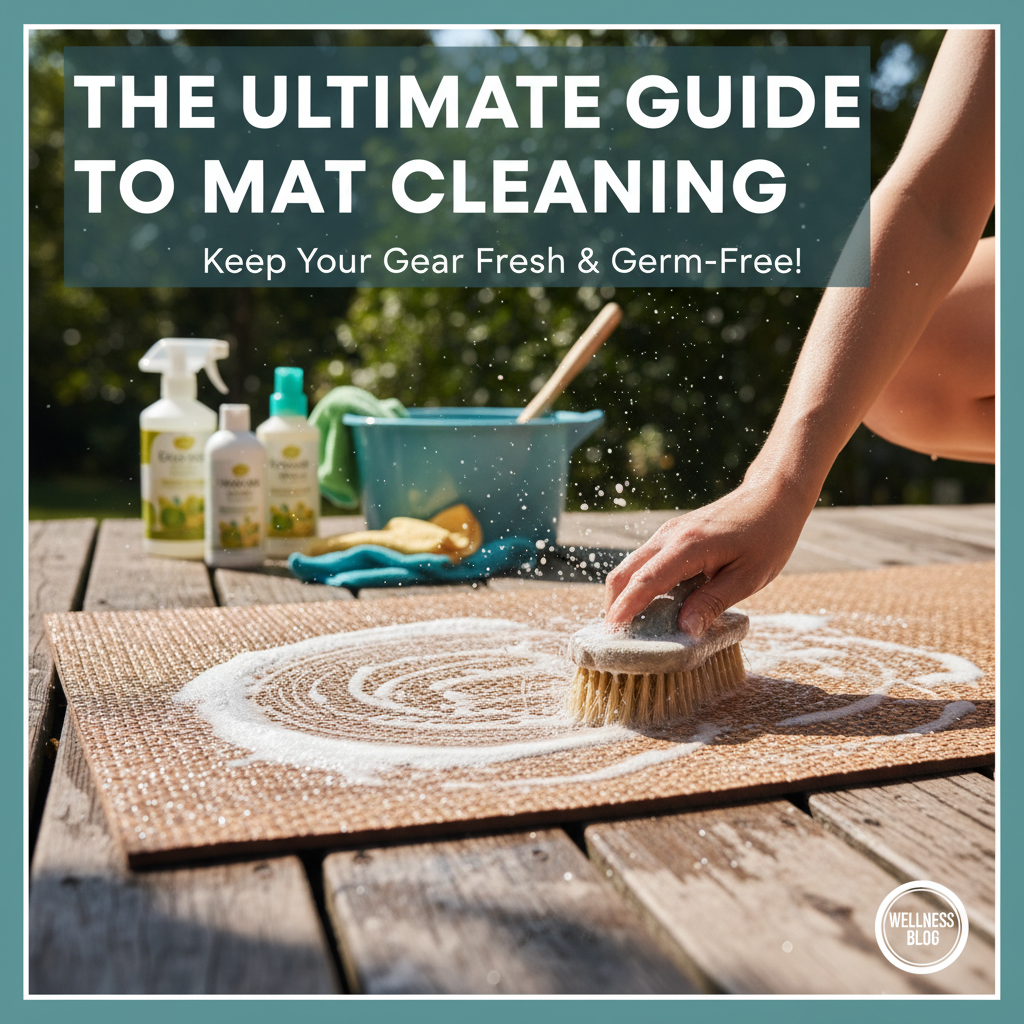
Floor mats are often the unsung heroes of any space, from bustling commercial lobbies and demanding industrial workshops to welcoming home entrances. They protect floors, enhance safety by reducing slips, offer comfort, and can even boost brand identity. However, like any essential tool, mats require consistent care to perform optimally and extend their lifespan. Neglecting mat cleaning and maintenance can lead to hygiene issues, reduced effectiveness, and premature wear. This guide provides best practices for keeping your mats in top condition, ensuring they continue to serve their purpose effectively.
Why Mat Maintenance Matters: Beyond Surface Cleanliness
Proper mat maintenance is crucial for several reasons:
- Enhanced Hygiene & Health: Entrance mats are the first line of defense, trapping up to 80% of walked-in soil and pathogens. Regular cleaning prevents these contaminants from spreading, improving indoor air quality and reducing germ transmission. Studies show that effective matting significantly reduces the amount of dirt and moisture tracked into buildings, which in turn impacts overall cleanliness and hygiene standards.
- Improved Safety: Dirty or wet floors are a primary cause of slips, trips, and falls. Well-maintained mats effectively absorb moisture and scrape off debris, creating safer walking surfaces. A clean mat is also less likely to buckle or shift, preventing accidents, especially critical in commercial and industrial settings. According to the Occupational Safety and Health Administration (OSHA), slips, trips, and falls are a major cause of injuries.
- Extended Mat Lifespan: Dirt and grit act abrasively on mat fibers and backing, causing premature wear. Regular cleaning removes these damaging particles, preserving mat integrity and extending their functional life, leading to significant cost savings.
- Maintained Aesthetics & Brand Image: A clean, well-kept mat contributes to a positive first impression. For businesses using logo mats or premier logo mats, a dirty or worn mat can detract from your brand.
- Floor Protection: Mats shield underlying flooring from scratches, scuffs, and spills. Clean mats absorb and contain substances effectively, protecting your expensive flooring investments.
General Principles for Effective Mat Cleaning
While specific methods vary by mat type, these universal principles apply:
- Regular Vacuuming: Essential for most textile mats to remove loose dirt daily or frequently. Use a commercial-grade vacuum for high-traffic areas.
- Spot Cleaning: Address spills and stains immediately, as they are harder to remove once set.
- Deep Cleaning: Periodic deep cleaning (washing, steam cleaning, or professional services) is necessary depending on traffic and environment.
- Proper Drying: Always ensure mats are completely dry before returning them to service. Damp mats foster mold, mildew, and odors.
Specific Mat Types and Their Maintenance Guides
Entrance Mats (Commercial & Residential)
These mats are the first barrier against outdoor elements. Many high-quality ideal mats and specialist mats are designed for entrance areas.
- Daily: Vacuum textile mats thoroughly. For rubber scraper mats, shaking or hosing down is effective.
- Weekly/Bi-weekly: Hose-wash textile entrance mats with a mild detergent. For heavy-duty industrial entrance mats, pressure washing can be very effective.
- Quarterly/Semi-annually: Professional deep cleaning (hot water extraction or steam cleaning) is recommended for high-traffic commercial mats to remove embedded grime.
Logo Mats & Branded Mats
Maintaining the appearance of these mats, including those from Logo Mats, Premier Logo Mats, and Specialist Logo Mats, is crucial for brand image.
- Daily: Vacuum gently to avoid damaging printed areas.
- Spot Cleaning: Treat spills immediately with a gentle carpet cleaner and a clean cloth. Avoid harsh chemicals that could fade the logo.
- Deep Cleaning: For textile logo mats, machine washing on a gentle cycle with cold water is often suitable (check manufacturer guidelines). Air dry completely. For rubber-backed logo mats, hose washing with mild detergent is safer.
Anti-Fatigue Mats
Designed for comfort in standing areas (industrial, retail, office).
- Daily: Wipe down the surface with a damp cloth or mop using a mild floor cleaner. Ensure it’s completely dry afterwards.
- Weekly: For deeper cleaning, especially in greasy environments, scrub with a brush and a degreasing cleaner, then rinse thoroughly.
- Note: Avoid harsh solvents; do not machine wash or submerge mats with foam cores unless specified.
Industrial & Commercial Heavy-Duty Mats
These specialist mats are for kitchens, workshops, and production lines, enduring grease, oils, and heavy traffic.
- Daily/Frequent: Sweep or hose down to remove loose debris. Use a squeegee for excess liquids in greasy areas.
- Regular Deep Cleaning: Use a high-pressure washer with a degreasing detergent. Specialized industrial cleaning agents may be needed for extreme grease.
- Sanitation: In food service, use approved sanitizing solutions after cleaning.
Residential Mats (Kitchen, Bathroom, Doormats)
Generally easier to maintain due to lighter traffic.
- Kitchen Mats: Wipe daily with a damp cloth. Machine wash textile mats as per label.
- Bathroom Mats: Machine wash frequently with regular detergent. Dry fully to prevent mildew.
- Outdoor Doormats:s Shake out daily, hose down weekly, and scrub for tougher dirt.
Essential Mat Cleaning Methods
Choosing the right method is key:
- Vacuuming: Most basic and frequent. Use a strong vacuum with a brush attachment.
- Shaking/Beating: Effective for loose dirt on smaller, durable mats.
- Hosing Down: Great for rubber, PVC, and some synthetic textile mats. Use a garden hose, mild detergent, and a stiff brush. Rinse thoroughly.
- Pressure Washing: Ideal for heavy-duty industrial and outdoor mats with stubborn dirt/grease. Use caution and appropriate nozzle settings.
- Machine Washing: Only for mats specifically labeled as machine washable. Use cold water and a gentle cycle.
- Steam Cleaning/Hot Water Extraction: Excellent deep cleaning for textile mats, removing embedded dirt and sanitizing.
- Spot Cleaning: Use a clean cloth and appropriate cleaner for the stain. Blot, don’t rub, and test on an inconspicuous area first.
Drying and Storage: Crucial Steps
Proper drying is vital. Damp mats breed mold, mildew, and can damage floors. Always ensure mats are:
- Completely Dry: Air dry thoroughly in a well-ventilated area. Avoid prolonged direct sunlight for certain materials.
- Flat or Hung: Avoid folding or creasing mats during drying or storage to prevent permanent damage.
When to Consider Mat Replacement
Even with optimal maintenance, mats have a lifespan. Replace when:
- The mat is visibly worn, torn, or frayed, posing a trip hazard.
- The backing is cracked or separating, causing the mat to curl or slide.
- The mat no longer effectively scrapes dirt or absorbs moisture.
- Foul odors persist after deep cleaning.
- The mat has lost significant color or vibrancy, especially for logo mats.
Conclusion
Investing in regular mat cleaning and maintenance is an investment in safety, hygiene, aesthetics, and cost savings. By following these guidelines for your Ideal Mats, Specialist Mats, or any other flooring solution, you ensure they perform their essential duties effectively for years to come. A clean mat is a hallmark of a well-managed and safe environment.