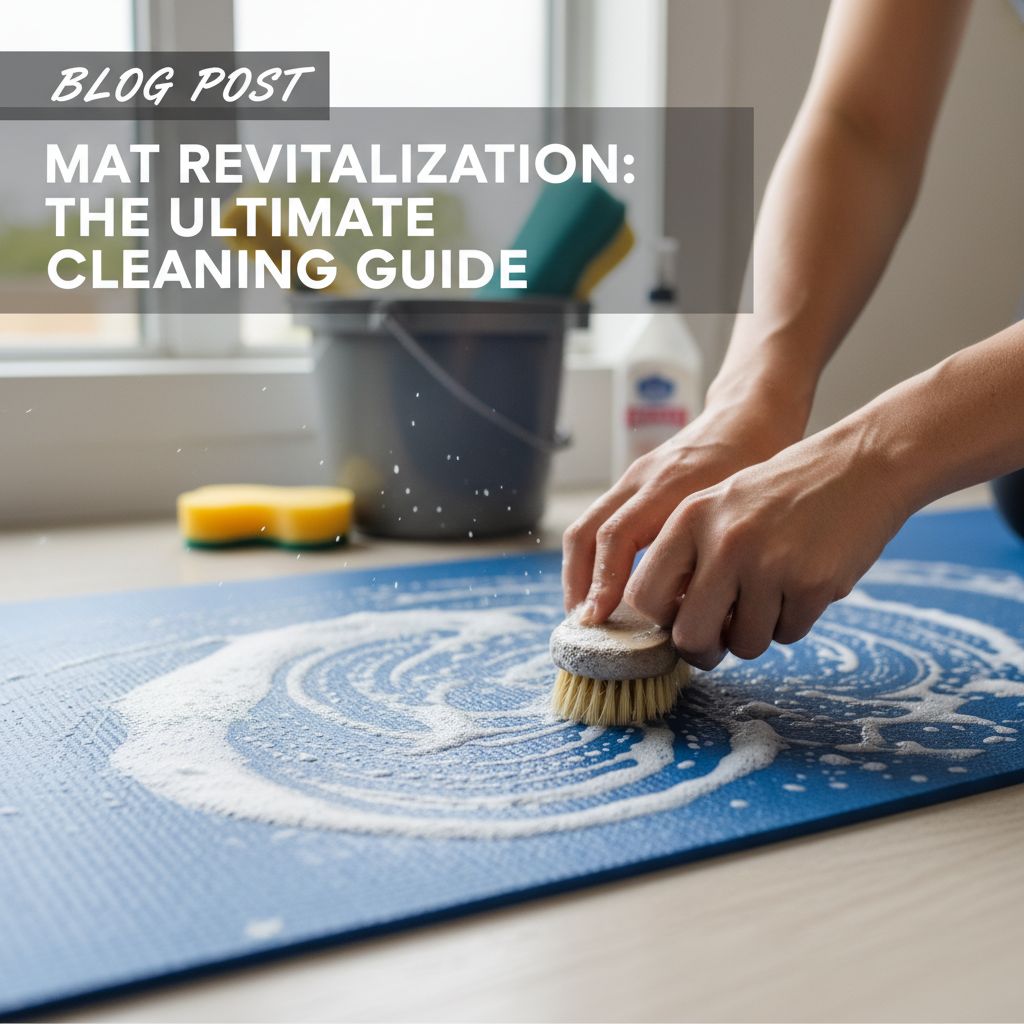
Mats are often the unsung heroes of any space, diligently trapping dirt, preventing slips, and enhancing aesthetics. From bustling commercial entrances to cozy residential hallways, these essential floor coverings play a crucial role in maintaining cleanliness, safety, and a professional appearance. However, their effectiveness hinges entirely on one vital aspect: consistent and proper cleaning and maintenance. Neglecting your mats not only shortens their lifespan but also compromises their functionality, leading to potential hazards and diminished curb appeal.
This comprehensive guide delves into the world of mat cleaning and maintenance, offering practical advice for various mat types found in commercial, industrial, and residential settings. By understanding the best practices, you can ensure your mats continue to perform their duties effectively, protecting your investment and enhancing your environment.
Why Mat Maintenance Matters: Beyond Just Cleanliness
The benefits of a well-maintained mat go far beyond simply looking clean. They are fundamental to operational efficiency, safety protocols, and overall facility management.
- Enhanced Safety: The primary function of many mats, especially commercial entrance mats and anti-fatigue mats, is to prevent slips, trips, and falls. A dirty, worn-out mat loses its traction and ability to absorb moisture, becoming a hazard rather than a safety solution. Regular cleaning restores its grip and absorbency, significantly reducing accident risks. According to health and safety guidelines, proper floor care, including mat maintenance, is critical for workplace safety.
- Extended Lifespan & ROI: Mats represent an investment. Dirt, grit, and chemicals can act as abrasives, causing premature wear and tear. Regular cleaning removes these damaging elements, prolonging the mat’s life and ensuring you get the most out of your purchase. This means fewer replacements and better long-term value.
- Improved Appearance & Brand Image: First impressions count, especially for businesses. A grubby, unkempt mat at your entrance can instantly deter visitors and reflect poorly on your brand. Clean, vibrant mats, particularly logo mats, convey professionalism and attention to detail. For businesses utilising premier logo mats or specialist logo mats, maintaining their pristine condition is key to effective branding.
- Better Hygiene & Air Quality: Mats are designed to trap dirt, dust, allergens, and even microbes. Without regular cleaning, these accumulated particles can become airborne, negatively impacting indoor air quality and potentially spreading germs. A clean mat contributes to a healthier environment for employees, customers, and residents.
- Floor Protection: Mats act as a barrier, protecting expensive underlying flooring from abrasion, moisture, and chemical spills. By keeping the mat clean, you ensure it continues to shield your floors effectively, preventing costly damage and prolonging the life of your floor coverings.
General Principles for Effective Mat Cleaning
While specific cleaning methods vary by mat type, some universal principles apply to almost all mats:
- Regular Vacuuming/Shaking: For most fabric-top mats, daily vacuuming is essential to remove loose dirt and debris. Small mats can be shaken outdoors to dislodge trapped particles.
- Spot Cleaning: Address spills and stains immediately. Use a mild detergent and a clean cloth, blotting rather than rubbing to avoid spreading the stain.
- Deep Cleaning Schedule: Depending on foot traffic and environment, mats require periodic deep cleaning (weekly, monthly, or quarterly). This often involves more thorough washing or extraction.
- Use Appropriate Cleaning Agents: Always check manufacturer guidelines. Harsh chemicals can damage mat materials, backing, and even fade logos. Opt for pH-neutral cleaners when in doubt.
- Thorough Drying: Never put a wet mat back into service, especially indoors. Moisture trapped underneath can lead to mould, mildew, floor damage, and unpleasant odours. Ensure mats are completely dry before repositioning.
Specific Mat Types and Their Care Routines
Entrance Mats (Carpeted & Rubber)
These are your first line of defense against dirt and moisture. Their cleaning needs differ based on material:
- Carpeted Entrance Mats:
- Daily: Vacuum thoroughly to remove loose dirt and grit.
- Weekly/Bi-weekly: Depending on traffic, use a carpet extractor or shampooer to deep clean. For heavy soiling, pre-spray with a suitable carpet cleaner. Ensure full drying.
- Spot Treatment: Address spills immediately with a carpet spot cleaner.
- Rubber Entrance Mats:
- Daily: Shake out or sweep to remove debris.
- Weekly/Monthly: Hose down with water, scrub with a brush and mild detergent if needed. For stubborn dirt, a pressure washer on a low setting can be effective (check manufacturer’s recommendation). Hang or lay flat to dry completely.
Anti-Fatigue Mats
Designed for comfort and support in standing workstations, these mats are typically made of rubber or vinyl compounds.
- Daily: Sweep or wipe down the surface to remove crumbs, dust, and minor spills.
- Weekly: Clean with a mop or cloth using warm water and a mild, pH-neutral cleaner.
- Important: Avoid abrasive cleaners, harsh chemicals, or soaking the mat, as this can damage the material and compromise its anti-fatigue properties. Ensure the mat is dry before returning to use to prevent slips. Specialist mats often have specific cleaning instructions, so always refer to them.
Logo Mats & Branded Mats
These mats serve as powerful branding tools, so maintaining their vibrant appearance is crucial.
- Regular Vacuuming: Use a commercial-grade vacuum cleaner with good suction to remove surface dirt without damaging the logo.
- Spot Cleaning: Treat stains carefully with a gentle cleaner and a soft cloth, blotting the area. Avoid harsh scrubbing that could distort the design.
- Professional Cleaning: For deep cleaning, consider professional mat cleaning services that understand how to treat printed mats. They often use gentle extraction methods that preserve the integrity of the logo. Remember, your logo mats, premier logo mats, and specialist logo mats are an extension of your brand.
Wet Area & Kitchen Mats
These mats face grease, oil, and constant moisture, demanding rigorous cleaning for hygiene and safety.
- Daily: Hose down thoroughly to remove food debris and grease. For kitchen mats, a degreaser may be necessary.
- Weekly: Scrub with a stiff brush and a suitable detergent. For heavy-duty industrial mats, professional cleaning or commercial washing machines might be appropriate.
- Critical: Ensure complete drying to prevent bacterial growth and unpleasant odours.
Advanced Cleaning Techniques & Considerations
- Pressure Washing: Effective for durable rubber or vinyl mats, especially outdoors. Use a wide spray nozzle and a moderate pressure setting to avoid damaging the mat’s surface or backing. Always test a small, inconspicuous area first. Not suitable for carpeted or delicate logo mats.
- Steam Cleaning: Can be used on some carpeted mats to penetrate deep into fibers and sanitize. Ensure the mat is capable of handling the heat and moisture, and allow for thorough drying.
- Professional Mat Cleaning Services: For large facilities, complex matting systems, or delicate logo mats, contracting a professional cleaning service can be a wise investment. They have specialized equipment and expertise to ensure mats are cleaned thoroughly and safely.
- Avoiding Common Mistakes:
- Over-wetting: Can lead to mould, mildew, and damage to the mat’s backing.
- Harsh Chemicals: Can degrade mat materials, fade colours, and reduce effectiveness.
- Improper Drying: Causes odours, promotes bacterial growth, and can damage flooring underneath.
When to Consider Mat Replacement
Even with the best cleaning and maintenance, mats have a finite lifespan. Knowing when to replace them is crucial for maintaining safety and effectiveness:
- Visible Wear & Tear: Cracks, tears, curling edges, significant thinning, or bald spots indicate a mat has reached the end of its life.
- Reduced Functionality: If an entrance mat no longer absorbs moisture effectively, or an anti-fatigue mat has lost its cushioning properties, it’s time for a replacement.
- Fading & Discoloration: While cosmetic, severe fading, especially on logo mats, can detract from your brand image.
- Permanent Stains & Odours: If extensive cleaning cannot remove stubborn stains or persistent odours, the mat is likely beyond salvage.
- Tripping Hazards: Mats that consistently curl, buckle, or slip, despite proper placement, pose a significant safety risk and should be replaced immediately.
Investing in quality mats from reputable suppliers like IdealMats, and then diligently maintaining them, ensures maximum performance and longevity.
Conclusion
Mat cleaning and maintenance might seem like a minor task, but its impact on safety, hygiene, appearance, and your bottom line is significant. By implementing a consistent and appropriate cleaning regimen for each type of mat in your commercial, industrial, or residential space, you not only extend their life but also ensure they continue to perform their vital functions effectively. Proactive care transforms your mats from simple floor coverings into powerful tools for protection, presentation, and peace of mind.
Regular maintenance is a small effort that yields substantial rewards, keeping your environment safer, cleaner, and more welcoming. Remember, a clean mat is a happy mat – and a happy mat means a safer, more presentable space for everyone.